Hello world!
April 16, 2025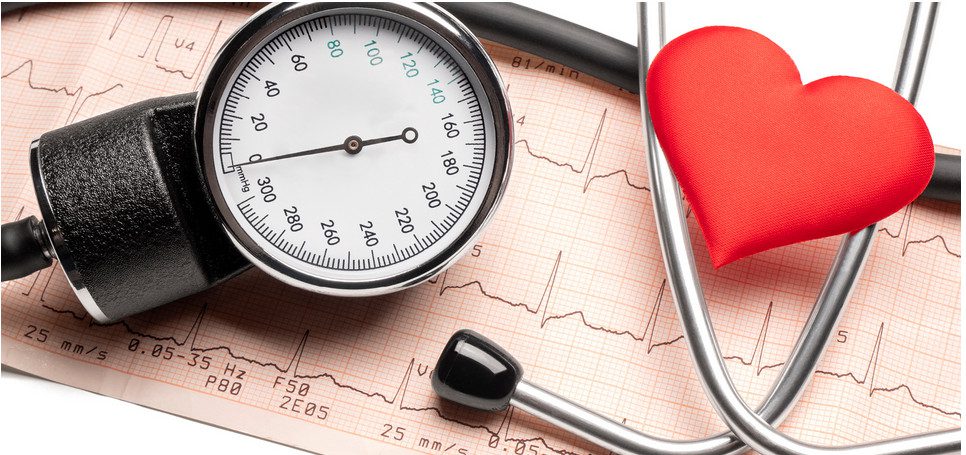
Blood Pressure: 17 ways to keep it in check.
June 16, 2025
If you have a kidney stone, you might end up crying. Doctors don’t always know for sure why some people form little crystals of salt and minerals in their kidney, one thing is, however crystal clear. They are painful and hurtful. It may take months of patience (and pain) to pass a stone. Doctors today have a number of methods of ridding you off a stone. However, what doctors can’t always do is guarantee you won’t get another.
Once you’ve had one stone, you are at a somewhat higher risk of getting another. Once you’ve had a second, your risk is marked by increase. Most importantly is to make lifestyle changes, according to how your doctor prescribes. However, the following tips may help.
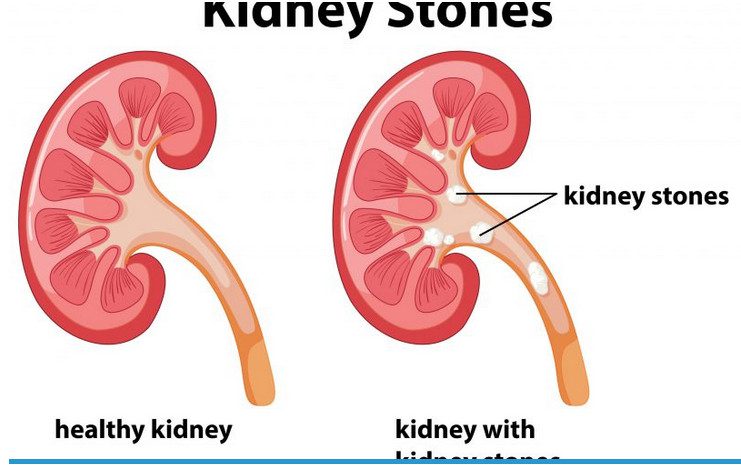
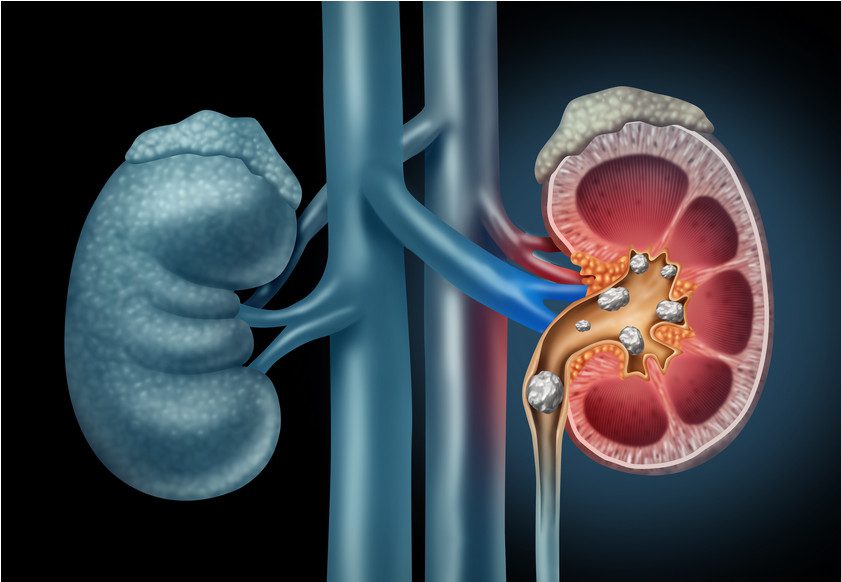
- Drink lots of fluid; regardless of what kind of stone, you may have had, by far the single most important preventive measure is to increase water consumption. Water dilutes the urine and helps to prevent high concentration of those salts and minerals that clump together to form stones. What matters here is the amount of urine. It’s suggested you urinate several times into an empty milk carton to get a gauge on how much you are passing.
- Keep a check on your calcium intake; of all the stones observed from patients of kidney stone, 92% are made of calcium or calcium products. So your doctor says your last stone was calcium based, then you should be concerned about your intake of calcium. If you are taking supplements do well to check with your doctor if they are necessary. Then you also check on the amount of calcium-rich foods; milk, butter, and other dairy foods you eat on a daily basis. The idea here is to limit, not eliminate calcium rich food in your diet, and dairy foods account for most calcium in your diet.
- Check your stomach medicines; certain antacids are enormously high in calcium, a once victim of kidney stones should be careful on the antacids he takes. Check on the ingredients on the box pack to make sure it’s not calcium based, if it is, choose another brand.
- Check your oxalate-rich foods; research shows that 60% of all stones are known as calcium oxalate. If everything in your body were working right, the oxalate you consume when you eat certain fruits and vegetables would be excreted. But if you have had calcium oxalate stones, things obviously aren’t working right. So restrict the consumption of oxalate rich foods. These include; beans, beefs, blueberries, celery chocolate, grapes, green peppers, parsley, spinach, strawberries, summer squash and tea.
- Try Magnesium and B6; research shows that daily supplement of magnesium curtailed stone re-occurrence by almost 90% in a group of patients. They speculate that magnesium works because its-like calcium; can bond with oxalate. But unlike the calcium/oxalate bond, this link up is less likely to form painful stones. Vitamin B6, meanwhile may actually lower the amount of oxalate in the urine. In one study, 10miligrammes a day seemed to do the magic.
- Eat much of Vitamin-A-rich foods; it really does not matter what kind of stones you have had, Vitamin A is necessary to keep lining of the urinary tract in shape and help discourage the formation of future stones. Potatoes and carrots are excellent foods. Other foods high in vitamin A include; apricots, broccoli, pumpkins, winter squash and beef liver(Vitamin A supplements, however should not be taken without your doctors supervision. Vitamin A is toxic in large doses)
- Stay active and well; people who are inactive tend to accumulate a lot of calcium in the bloodstream. Activity helps to pull calcium back to the bones, where it belongs. In the real sense, if you are prone to calcium stones, don’t sit around all day and wait for them to aggregate and form the salt that they do. Get out! Take a walk, fly a kite or ride a bike.
- Watch your protein consumption; there is a direct correlation between the incidence of kidney stones disease and the amount of protein eaten. Proteins tend to increase the presence of uric acid, calcium and phosphorus in the urine, which in some people, leads in the formation of stones. Be concerned about consuming excessive protein if you have had calcium stones, and especially if you have had uric acid or cystine stones. Limit your intake as soon as possible. These include; meat, cheese, poultry and fish.
- Shake off the salt; if you have had calcium stones, it’s time to cut down on salt. Limit your salt intake to 2/3 grams per day. This means reducing your consumption of table salt, pickle foods, and salty foods such as luncheon meat, snack chips, and processed cheese.
- Look up your Vitamin C; if you tend to develop calcium oxalate stones, then you should limit or restrict your consumption of vitamins C, large amounts- more than 3/4 grams a day can increase the oxalate production and increase the risk of stones. it is highly unlikely that you could consume this much vitamin C in your diet. So your priority here should be with high-potency supplements. Don’t take them. Always check the pack before you take them.
- Don’t get too much Vitamin D; excessive doses of vitamin D can lead to excess calcium in all parts of the body. You should not get more than the RDA Standard of 400 international units
- Medical alert; three good reasons to see a doctor immediately;
- Intense pain and /or blood in your urine
- If you pass a stone, you should take it to your doctor for laboratory analysis
- A look at the caregivers of the stone(s) can create significant blockage and even infection.